
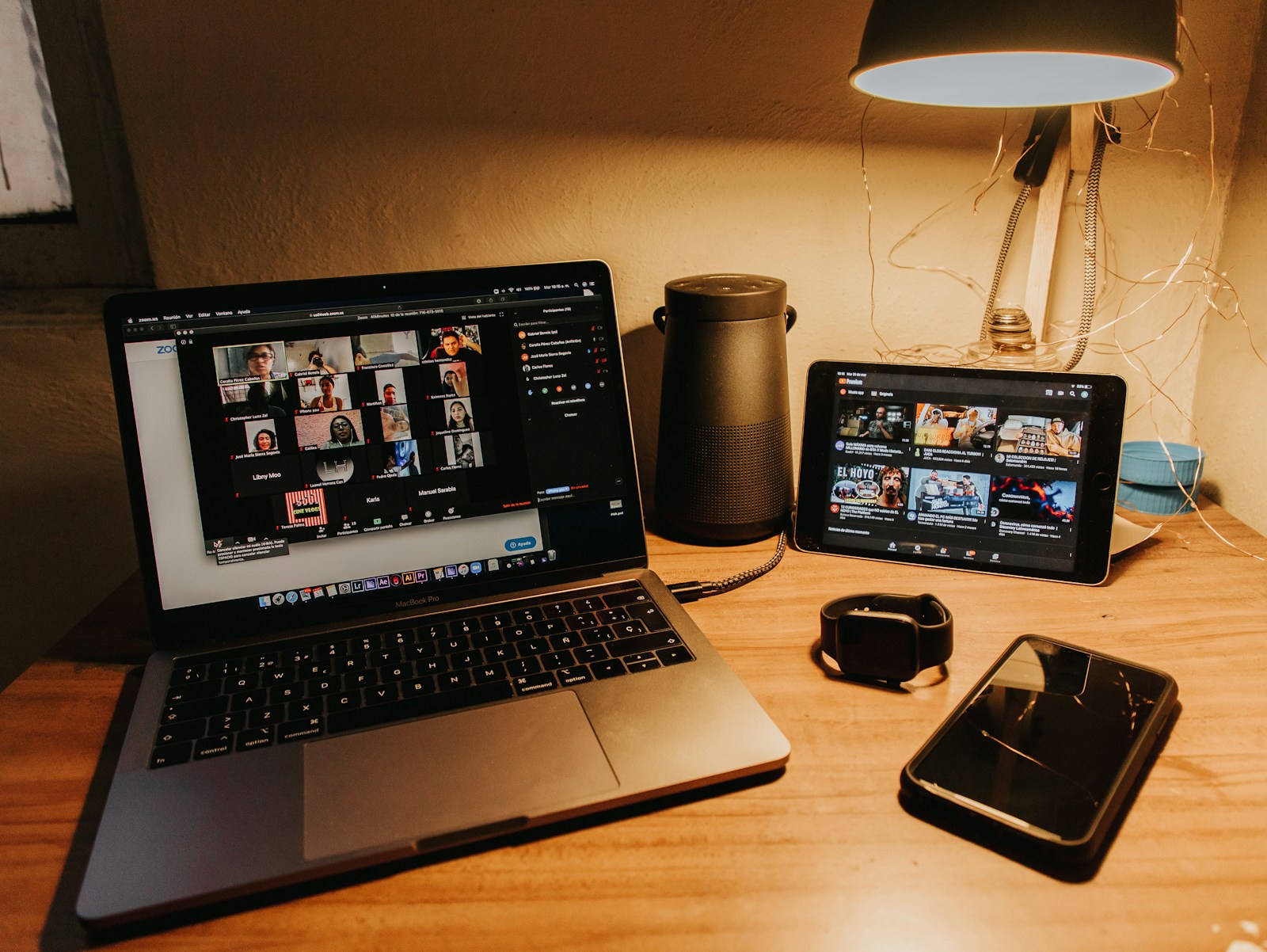
For many remote jobs, your first interview may not be with a person at all. Instead, you might answer questions on video while software records and analyzes your replies. The AI job interview is becoming more common, so it is worth knowing what to expect and how to prepare.
How common are AI interviews?
A Resume Builder survey of 948 business leaders, published in late 2024, offers a useful picture. About 24% of companies said AI already conducted entire interviews for them. Moreover, that share was expected to reach 29% by the end of 2025.
Even when a person leads the interview, AI often plays a role. For example, 81% of companies in the survey used AI to create interview questions. In addition, 65% used it to examine candidates’ language patterns, and 60% used it for transcription and to assess tone or body language.
What an AI job interview looks like
Formats vary, but the most common one is the one-way video interview. First, you receive a link. Then a question appears on screen, and you get a short time to think. After that, you record your answer, usually with a time limit.
Later, software may transcribe your answers and compare them with the job requirements. Depending on the tool, it may also look at how you speak. Finally, a recruiter often reviews the results before deciding who moves on.
How to prepare
Test your setup
Technical problems can ruin a good answer. So check your camera, microphone and internet connection in advance. Also, sit in a quiet room with light in front of you, not behind you.
Study the job description
AI tools often compare your answers with the skills in the job ad. Therefore, know which skills matter most for the role. Then prepare a real example for each one.
Use a clear structure
A simple method is STAR: Situation, Task, Action and Result. First, set the scene. Next, explain your goal and what you did. Finally, share the result, ideally with a number. This structure keeps your answers focused, which helps both software and humans follow you.
Practice on camera
Talking to a screen feels strange at first. So record yourself answering a few common questions. Then watch the videos and notice your pace, filler words and eye contact. After a few tries, you will feel much more natural.
Look at the camera, not yourself
It is tempting to watch your own image. However, looking into the camera lens feels like eye contact to the viewer. It also keeps you from getting distracted.
What not to do
Some candidates use apps that generate answers during the interview. This is a risky choice. In a 2025 TopResume survey of 600 hiring managers, 57% called such tools unacceptable in interviews. In addition, reading answers from a screen often looks unnatural on video. Even if it works once, the next round will show what you really know.
Your rights and options
You can ask questions about the process. For instance, ask whether a person will review your recording. If you have a disability or need an accommodation, tell the employer early. Many companies offer alternatives, but only if you ask.
Getting to the interview
Of course, you first need to reach the interview stage. Our guides on building an ethical AI job scout and on getting past AI resume screening can help with that part.
The bottom line
An AI job interview can feel cold, but the basics of a good interview still apply. Know the role, prepare real examples and practice speaking clearly. In the end, a person usually makes the final decision, and preparation is what helps you reach them.