
Have you ever followed a recipe exactly, yet the dish still tasted flat? The problem is usually not the recipe. Instead, it is how and when you season. Learning how to season food well is the single biggest step from average home cooking to food that tastes like a restaurant made it.
Season in layers, not just at the end
Many home cooks add all the salt at the end. However, professional cooks season at every stage. For example, they salt the onions as they soften, then the sauce as it simmers, and finally adjust the taste before serving.
Why does this work? Salt added early has time to move into the food. As a result, flavors taste deeper and more even. Salt added only at the end tends to sit on the surface, so the dish can taste salty and bland at the same time.
Salt your pasta water properly
Pasta absorbs water as it cooks, so the water is your only chance to season the pasta itself. A common guideline is about one tablespoon of salt for every four liters (roughly a gallon) of water. The water should taste clearly seasoned, like a well-salted soup. In contrast, a tiny pinch does almost nothing.
Taste as you go
This sounds obvious, yet many people only taste when the dish is done. Instead, keep a clean spoon nearby and taste at each step. Ask yourself simple questions. Does it need salt? Is it too rich? Does it feel heavy? Each answer tells you what to add next.
Know the difference between salt types
Not all salt is equal by volume. For instance, a spoon of fine table salt is much saltier than a spoon of flaky salt or coarse kosher salt, because the fine crystals pack together more tightly. So if a recipe calls for one type and you use another, adjust the amount and taste carefully.
Many cooks also keep flaky sea salt for finishing. A small pinch on top of a steak or a salad adds a pleasant crunch and a burst of flavor.
Wake up your spices
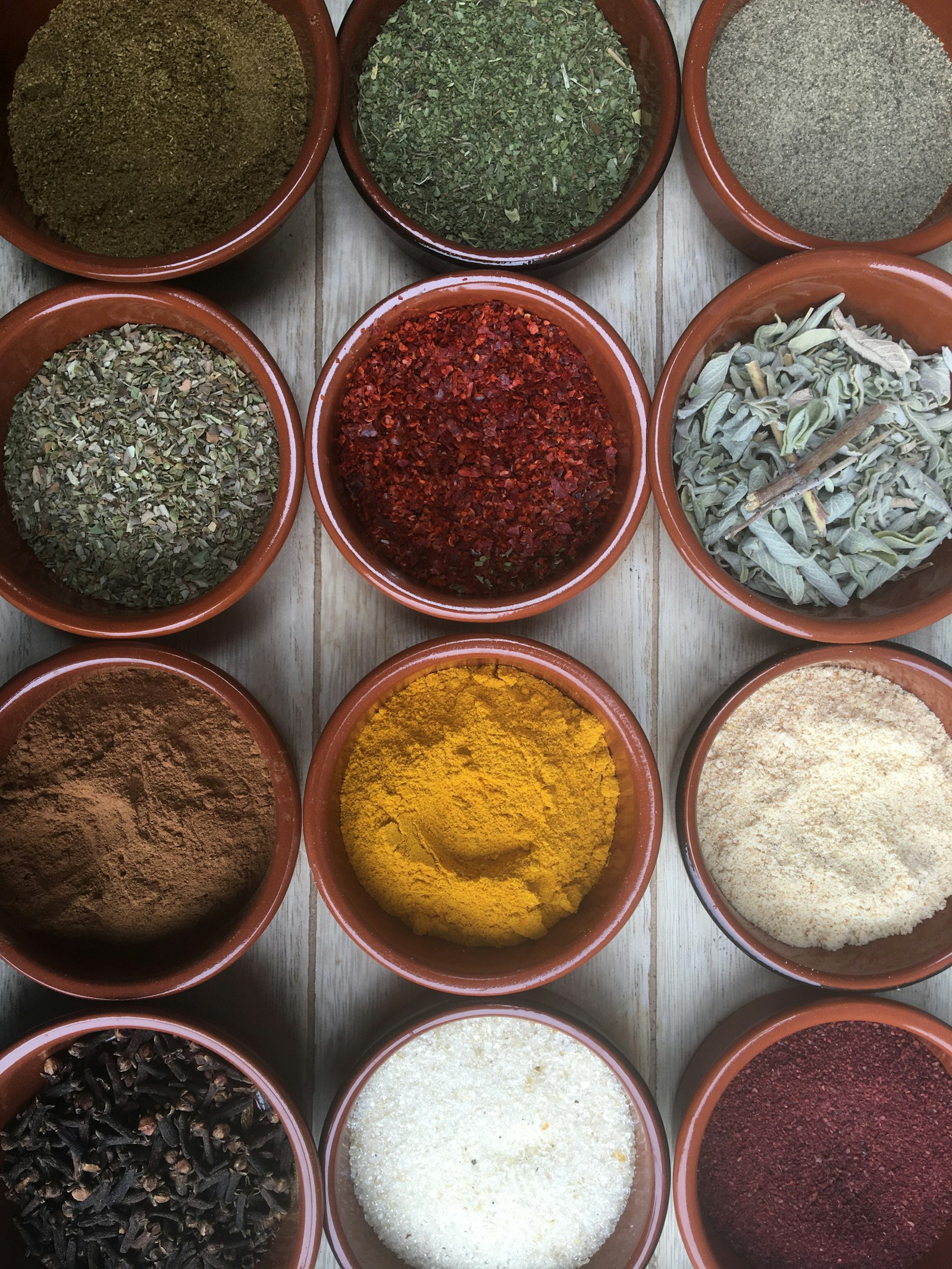
Dried spices taste best when you warm them first. For example, toast whole spices in a dry pan for a minute, or briefly cook ground spices in hot oil before adding liquids. This releases their aromas. In fact, the difference between raw and toasted cumin is striking.
Also, check your spice jars. Ground spices lose flavor over time. If a spice has no smell when you open the jar, it will add little taste to your food.
Balance salt with acid
Sometimes a dish tastes dull even with enough salt. In that case, it often needs acid rather than more salt. A squeeze of lemon or a splash of vinegar can brighten the whole plate. We explain this trick in detail in our guide on how to balance flavors in cooking.
Fixing mistakes
Everyone over-salts a dish now and then. Luckily, you can often rescue it. First, add more of the unsalted ingredients, such as extra vegetables, broth or cooked grains. Then, a little acid or a touch of something creamy can soften the saltiness. Still, prevention is easier, which is why tasting as you go matters so much.
The bottom line
Knowing how to season food is less about exact amounts and more about habits. Season in layers, taste often and use acid to brighten flavors. Once these steps become routine, even simple dishes will taste noticeably better.