
Great chefs often taste a dish and say it “needs something”. Usually, that something is not a secret ingredient. Instead, it is balance. Learning how to balance flavors in cooking helps you fix dull, heavy or overly sharp dishes in seconds.
The basic tastes
Our tongues detect a few basic tastes: salty, sour, sweet, bitter and umami. Umami is the savory taste found in foods like aged cheese, mushrooms, tomatoes and soy sauce. A well-balanced dish usually combines several of these, so no single taste takes over.
How to balance flavors when something tastes off
If it tastes flat, add salt or acid
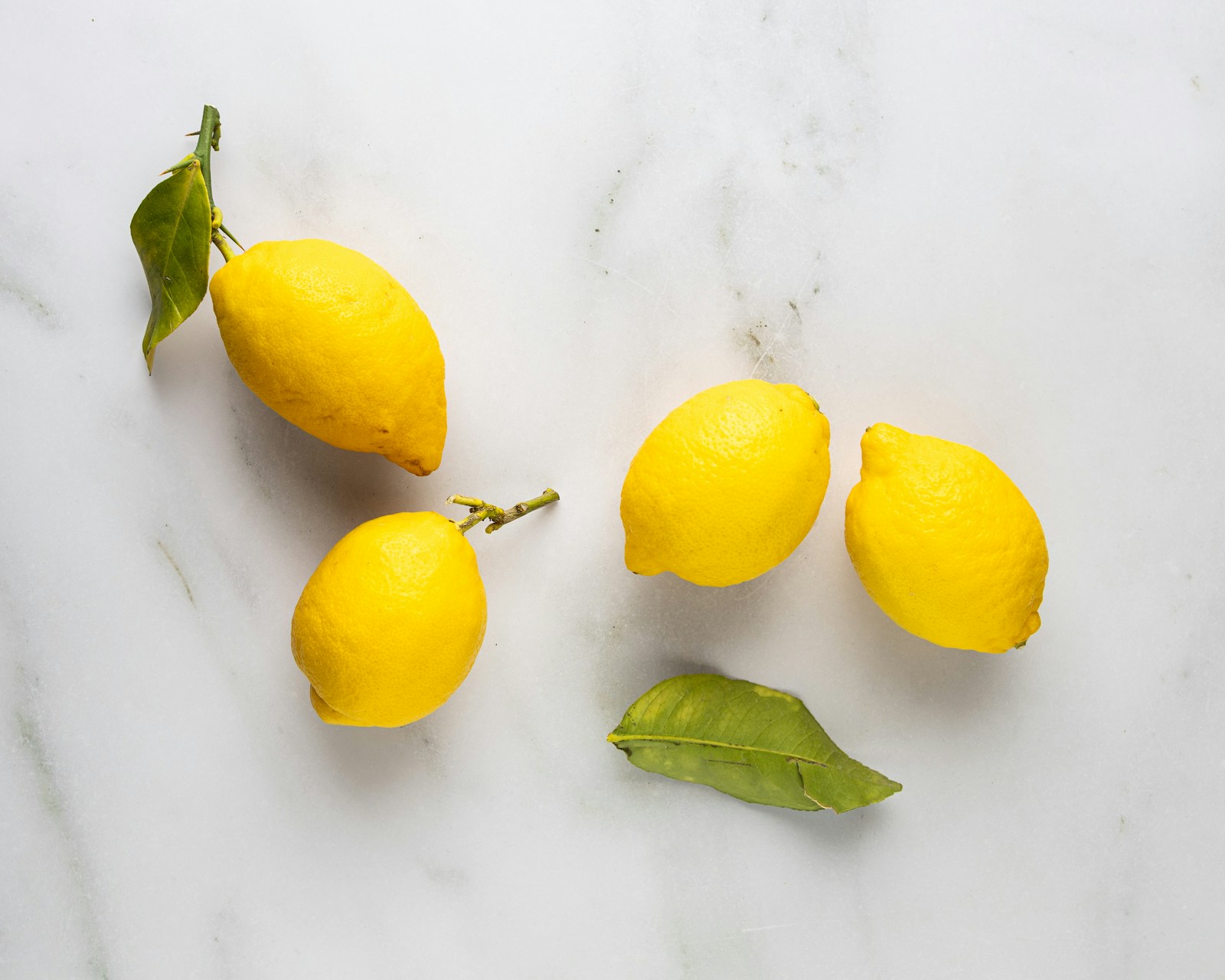
A bland dish often needs salt first. However, if it already has enough salt and still tastes dull, try acid. For example, a squeeze of lemon juice or a splash of vinegar can make a soup or stew taste brighter and lighter. In fact, many cooks call acid the most underused ingredient in home kitchens.
If it tastes too sour, add sweetness or fat
Too much vinegar or lemon makes food taste sharp. In that case, a small pinch of sugar or a drizzle of honey can calm it down. Similarly, fat such as butter, cream or olive oil softens sour flavors.
If it tastes too sweet, add acid or salt
Sweet sauces and glazes can become cloying. So add a little acid or a pinch of salt. Both cut through sweetness and make the dish taste more complex.
If it tastes too bitter, add salt, fat or sweetness
Bitter greens or very dark roasted foods can taste harsh. Fortunately, salt is surprisingly good at reducing bitterness. Also, a little fat or sweetness helps. For instance, that is why bitter radicchio often pairs with olive oil and a sweet dressing.
If it tastes too rich, add acid or freshness
Creamy or fatty dishes can feel heavy after a few bites. Therefore, add something sharp or fresh. Lemon zest, pickles, fresh herbs or a crisp salad on the side all help lighten the meal.
Don’t forget umami
Sometimes a dish has enough salt and acid, yet it still lacks depth. Then umami may be missing. Try a spoon of tomato paste, a dash of soy sauce, a little grated Parmesan or a few sautéed mushrooms. These add a savory richness that makes food feel complete.
Think about texture and temperature
Balance is not only about taste. Contrast in texture and temperature also matters. For example, a crunchy topping on a soft dish, or a cool yogurt sauce next to spicy food, makes each bite more interesting.
Practice the habit
The best way to learn is to taste and adjust in small steps. Add a little, taste again and then decide. Also, keep a few balancing ingredients within reach: lemons, a good vinegar, salt, honey and some fresh herbs. Our guide on how to season food like a chef explains how to build this habit from the first step of a recipe.
The bottom line
Knowing how to balance flavors turns cooking from following orders into making decisions. When something tastes off, ask which taste is too strong or too weak. Then reach for its opposite. Soon, you will fix dishes almost without thinking.