
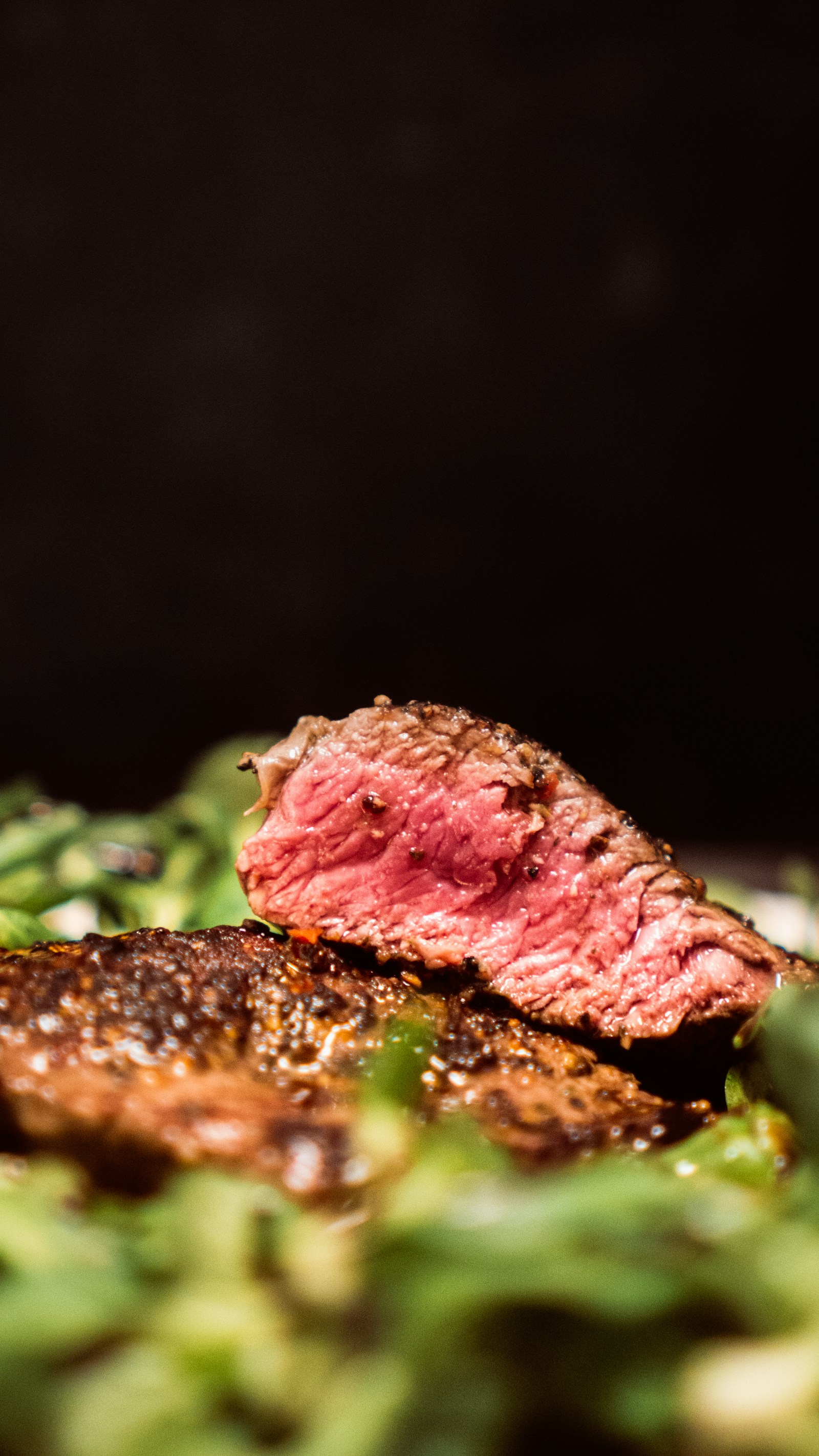
You cook a beautiful steak, slice it right away and watch the juices run all over the board. It is a common mistake, and it is easy to avoid. Resting meat for a few minutes after cooking is one of the simplest kitchen secrets, yet it makes a real difference to texture and flavor.
What resting meat means
Resting simply means leaving cooked meat alone for a short time before you cut it. You take it off the heat, place it on a board or plate and wait. During that time, the meat finishes cooking and settles.
Why resting meat matters
The juices stay inside
When meat cooks, the muscle fibers tighten and push moisture toward the center. If you cut it immediately, much of that liquid ends up on the board. However, after a short rest, the fibers relax a little. As a result, more of the juice stays in the meat when you slice it.
Carryover cooking finishes the job
Meat keeps cooking after it leaves the pan or oven. This is called carryover cooking. The outside is hotter than the center, so heat keeps moving inward for several minutes. For larger roasts, the internal temperature can rise by a few degrees during resting.
This matters for timing. If you want a medium-rare result, take the meat off the heat slightly before it reaches your target temperature. Then let resting carry it the rest of the way.
How long should meat rest?
There is no single perfect number, but these guidelines work well for most cooks:
- Steaks and chops: about five minutes.
- Whole chicken: around 10 to 15 minutes.
- Large roasts and turkey: 15 to 30 minutes, depending on size.
As a rule of thumb, bigger cuts need longer rests. Thin cuts, such as a minute steak, need very little.
How to rest meat properly
First, place the meat on a warm plate or cutting board. Next, if the kitchen is cool, cover it loosely with foil. Do not wrap it tightly, though. Tight wrapping traps steam, which can soften a crispy crust or skin.
Also, save any juices that collect on the plate. They are full of flavor. For example, you can pour them back over the sliced meat or stir them into a sauce.
Don’t forget to slice correctly
Resting is only half the secret. Next, look at the direction of the muscle fibers and cut across them, not along them. Slicing against the grain shortens the fibers, so each bite feels more tender.
Common myths
Some cooks worry that resting makes meat cold. In reality, a short rest keeps it warm, especially for larger cuts that hold heat well. Others think resting is optional. While a rested steak will not be perfect if it was overcooked, resting does help almost every piece of meat taste juicier.
Combine it with a good sear
Resting works best on meat that was cooked well in the first place. To get a deep brown crust before resting, read our guide to the Maillard reaction and perfect searing.
The bottom line
Resting meat costs you nothing but a few minutes of patience. Yet it keeps juices inside, lets carryover heat finish the cooking and makes slicing easier. Next time, put the knife down for a moment, and your steak will thank you.